Your Academic Travel Guide: What to See and Do in March for the Education Conference in Singapore
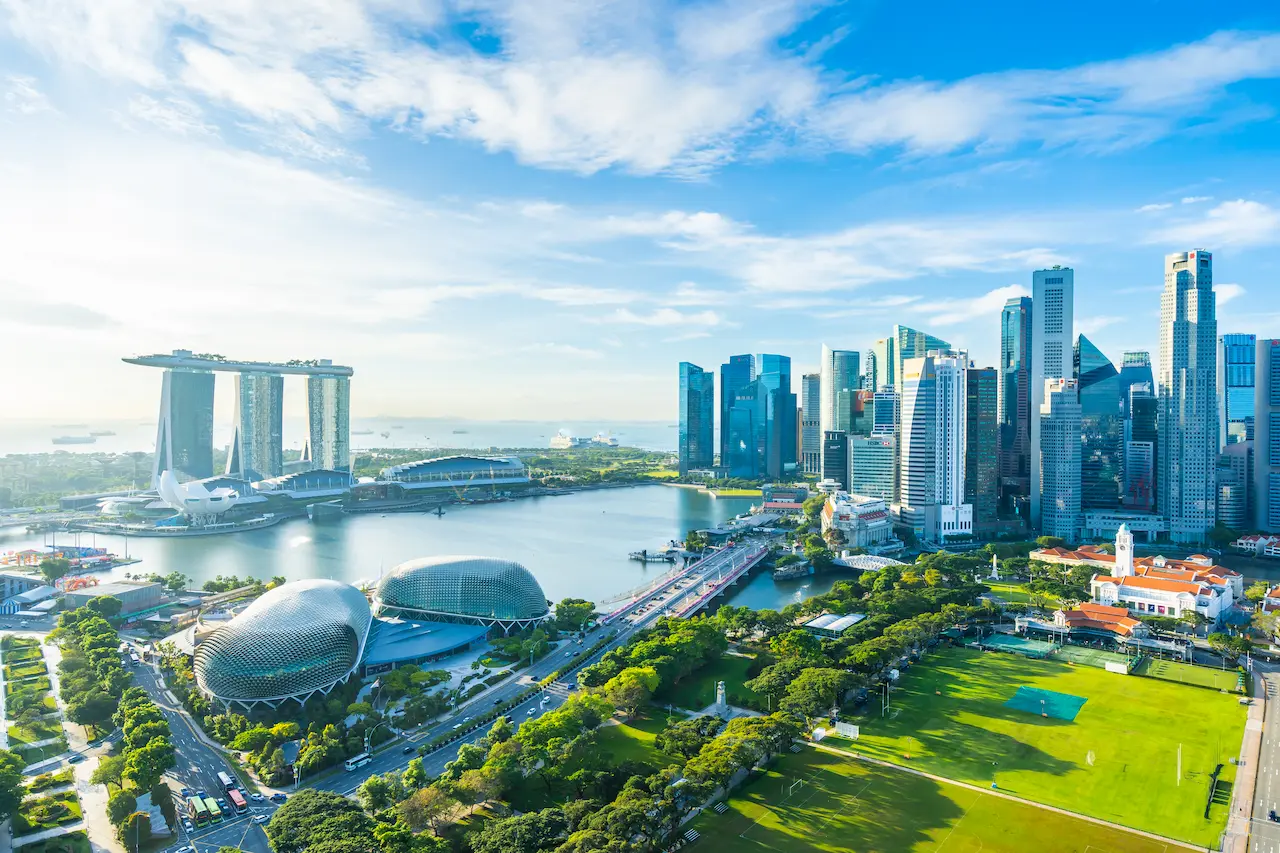
March is an ideal month to visit Singapore. The city blends history, culture, and organized public systems, making it easy to combine learning goals with observing local life. Visitors attending an education conference in Singapore can explore museums, try local food, visit heritage sites, and see how daily life works. This guide explains what to see and do, and how to plan trips clearly and simply.
Weather and Climate in March
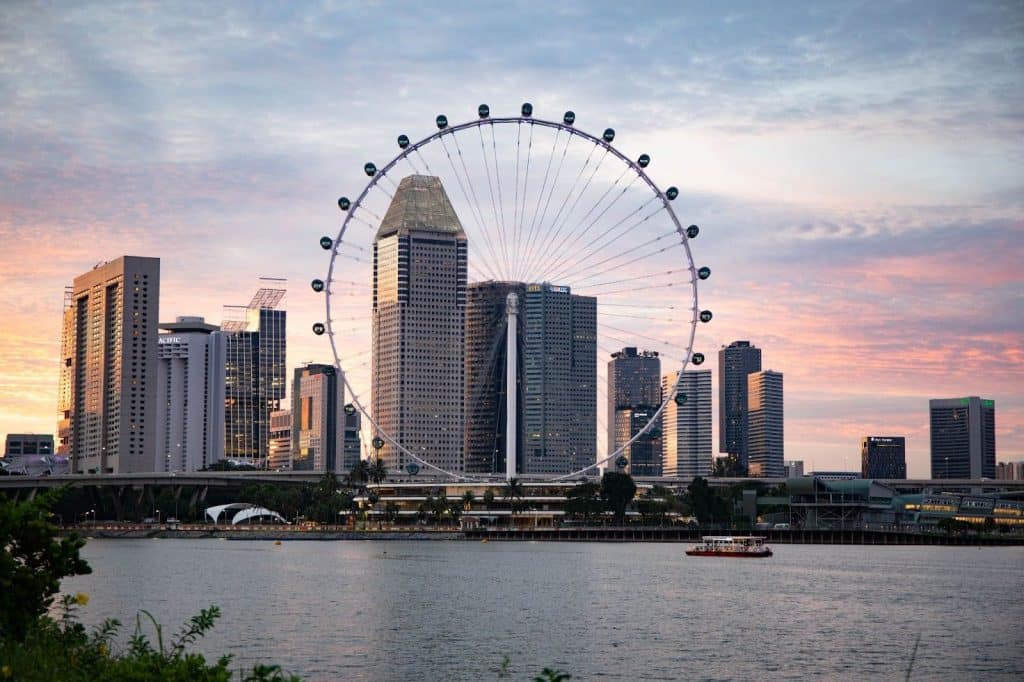
Singapore stays warm and humid year-round. Daytime temperatures in March usually range from 29–31°C, with cooler evenings. Occasional short showers happen but rarely cause delays.
Dressing in light clothing and carrying water keeps visitors comfortable while moving between venues during an education conference in Singapore.
Travel and Getting Around
Changi Airport connects Singapore to many regional and international cities. March travel is moderate, keeping arrivals and departures smooth.
Public transport is organized, with MRT trains and buses covering most areas. Taxis and ride-hailing services operate at all hours. Moderate crowd levels make moving around easier for participants.
Hotels and Accommodation
Singapore offers a range of stays, from large hotels to smaller guesthouses. Rooms are generally available at reasonable prices in March.
Staying near conference locations or city centers saves time and makes daily planning simpler. Light packing and early booking keep schedules predictable for visitors attending an education conference in Singapore.
Museums and Heritage Centers
Museums in Singapore cover history, science, and culture. Many are near learning areas, making short visits easy.
Examples include:
- National Museum of Singapore, showing city history and development
- Asian Civilisations Museum, explaining trade, culture, and religion across Asia
- Peranakan Museum, highlighting family life, customs, and home design
- Local heritage centers focusing on housing, work, and neighborhood life
Cultural Areas to Visit
Singapore has districts reflecting its diverse history. Visiting these areas helps link daily life to professional or learning interests during an education conference in Singapore.
Key areas include:
- Chinatown, showing Chinese migration, trade, and community life
- Little India, highlighting Indian heritage, temples, and markets
- Kampong Glam, representing Malay culture and Islamic history
- Tiong Bahru, featuring early public housing and older urban design
Using Food to Learn Local Life
Food in Singapore reflects migration and shared culture. Hawker centers combine many traditions.
Examples include:
- Hainanese chicken rice, reflecting Chinese migration and local adaptation
- Roti prata, showing Indian cooking styles adapted to local taste
- Laksa, combining Malay and Chinese influences
- Satay stalls, representing street food culture
Observing Public Systems
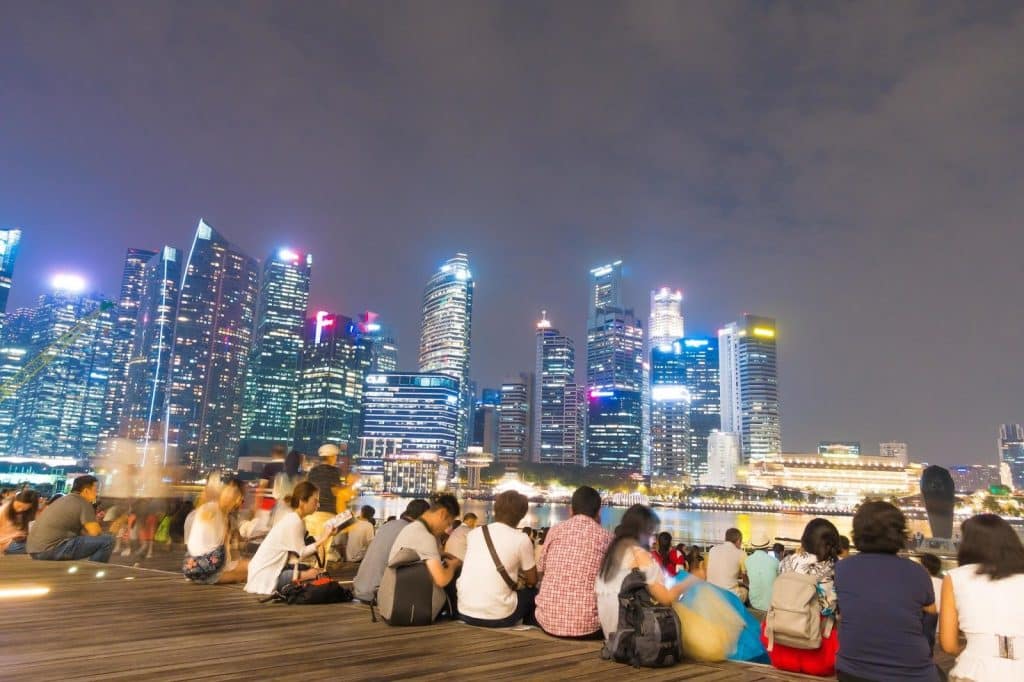
Singapore’s public systems show how organization shapes daily life. Transport, housing, and public spaces follow clear rules. Watching queues, using trains or buses, and following signs demonstrates practical operation.
Libraries and Bookstores
Modern libraries are easy to reach, many inside malls or near stations. Visitors can read, take notes, or reflect quietly between sessions.
Bookstores carry local books on history, society, and culture. Even short visits add context to professional study.
Short Informal Talks
Public talks or workshops at universities or cultural centers complement visits. Checking event listings may show sessions open to participants.
Topics often include:
- City development and urban planning
- Education systems and social policy
- Culture, migration, and identity
Walking Tours and Observation
Walking helps visitors notice details hidden from vehicles. Old buildings next to modern towers show urban change over time. Short walks between meals, venues, or museums add context without affecting schedules. Comfortable shoes are essential in warm weather.
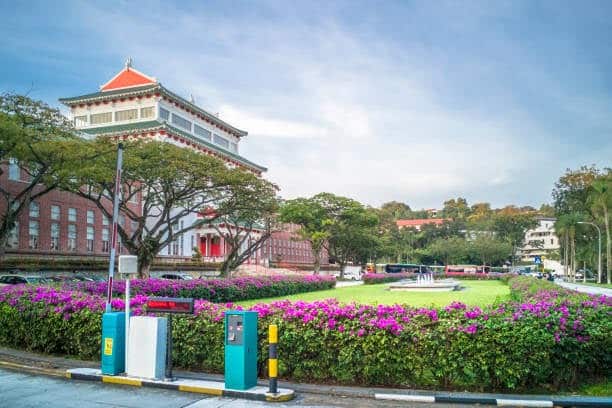
Planning Daily Activities for a Singapore Pedagogy Conference
Simple planning keeps energy steady. A routine could include:
- Morning conference sessions
- Midday meal at a local food center
- Afternoon museum or heritage visit
- Evening short walk or cultural stop
Comfortable pacing is critical during a Singapore pedagogy conference.
Respecting Local Norms
Understanding culture depends on respect. Photography rules vary at religious or heritage sites, so reading signs prevents issues.
Visitors should:
- Dress neatly in public spaces
- Follow posted rules
- Keep behavior calm in shared areas
Cost and Budget Considerations
March is not peak travel. Flights, hotel rooms, and local transport are moderate in price. Early planning helps control costs and reduces stress from last-minute changes.
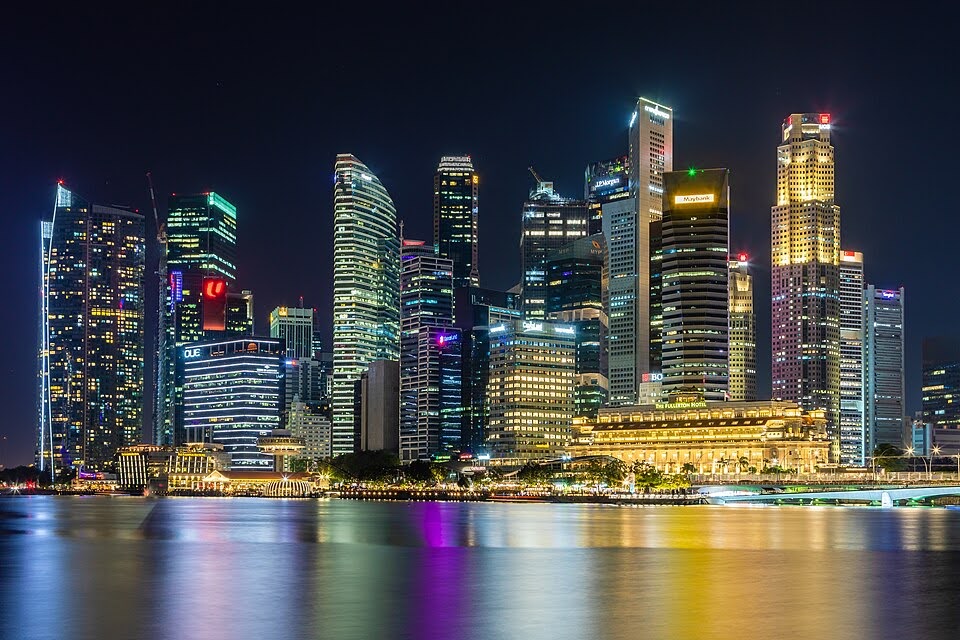
Final Thoughts for a Singapore Education Conference 2026
Singapore allows visitors to combine learning goals with cultural and practical observation. Museums, heritage centers, food markets, libraries, and walking routes all support understanding the city’s systems, history, and daily life.
Visiting in March reduces stress, keeps costs moderate, and lets participants at a Singapore education conference 2026 explore the city while staying focused.
Preparation ensures smooth experiences during a Singapore education conference 2026.