Gyeongbokgung Palace
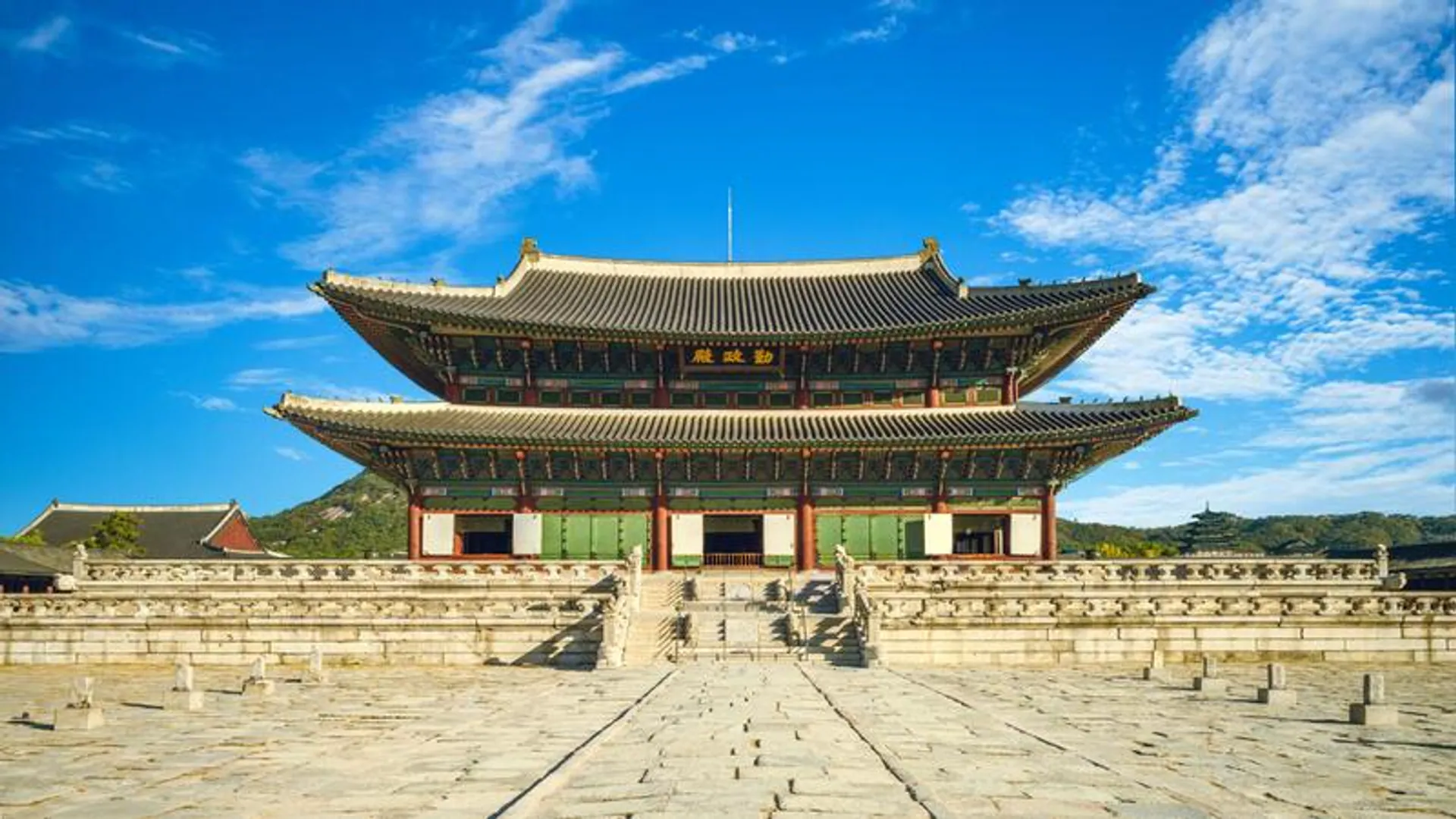
Gyeongbokgung Palace is one of Seoul’s most iconic historical landmarks and the main royal palace of the Joseon Dynasty. Visitors can admire its grand gates, elegant pavilions, colorful traditional decorations, and spacious courtyards framed by mountains. Wearing a traditional hanbok while exploring the palace makes the experience even more memorable and offers wonderful photo opportunities.
Bukchon Hanok Village
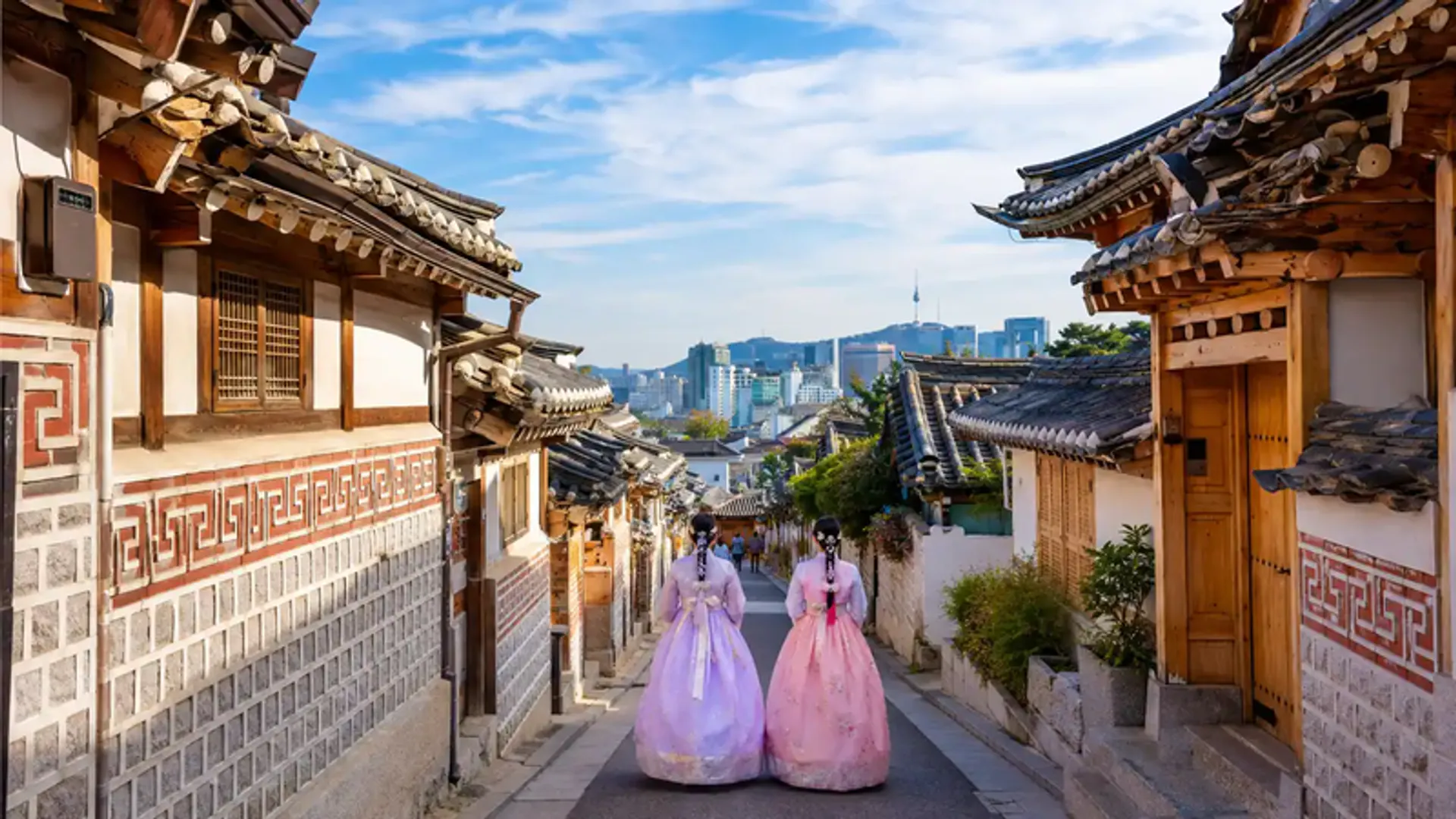
Bukchon Hanok Village is a picturesque neighborhood filled with traditional Korean houses known as hanok. Its narrow lanes, curved tiled roofs, wooden doors, and scenic views create a charming atmosphere that reflects Seoul’s historic character. Visitors can discover small galleries, tea houses, craft studios, and traditional architecture while wandering through the area. As it remains a residential neighborhood, visitors should respect local residents and observe current visiting-hour restrictions on designated streets.
N Seoul Tower
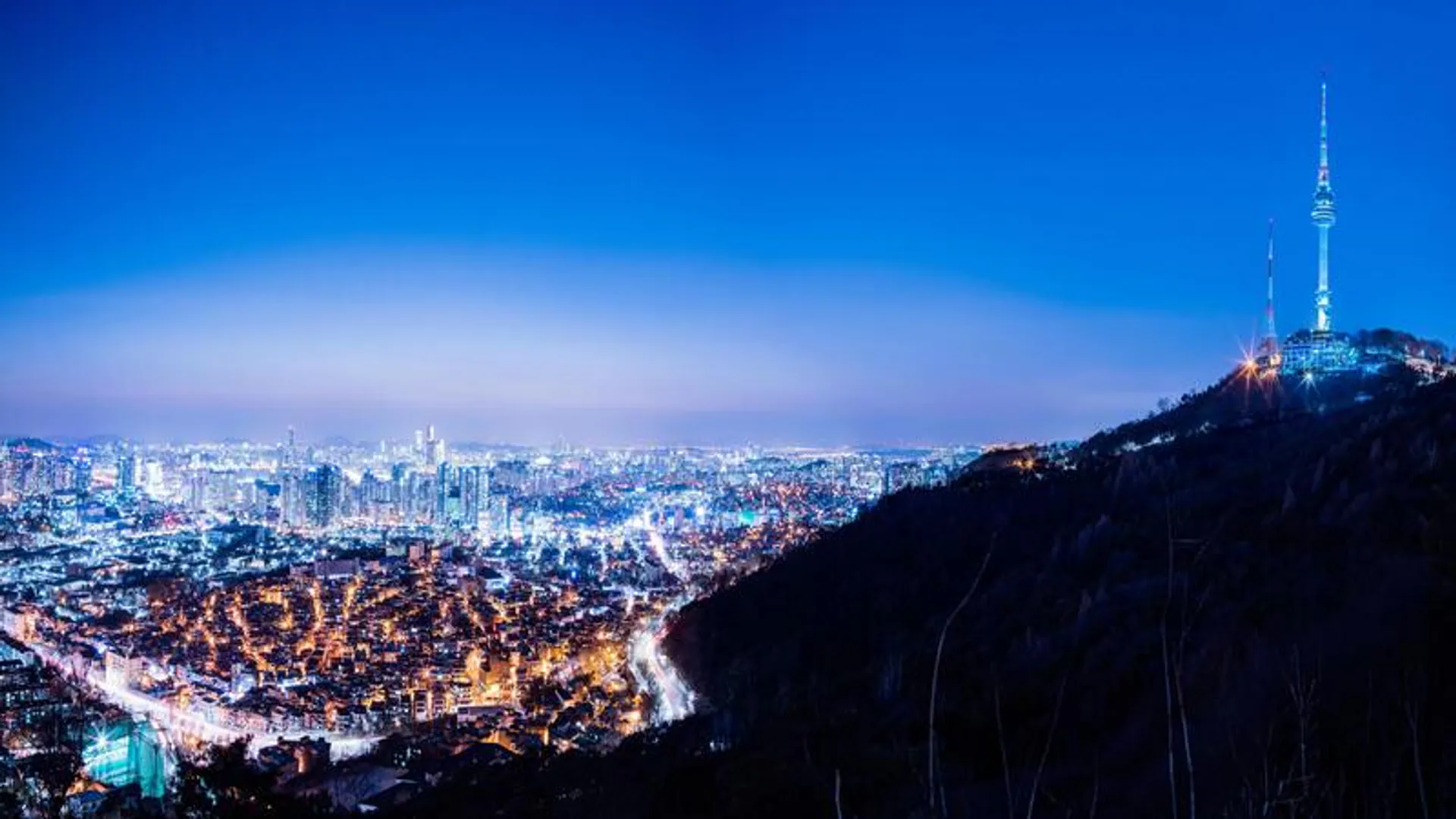
Standing on Namsan Mountain, N Seoul Tower is one of the city’s most recognizable landmarks. The observation areas provide sweeping views across Seoul’s vast skyline, surrounding mountains, and the Han River. The destination is especially attractive around sunset and after dark, when the city lights create a spectacular panorama. Visitors can also enjoy a scenic walk or take the cable car up the mountain.
Changdeokgung Palace and Secret Garden
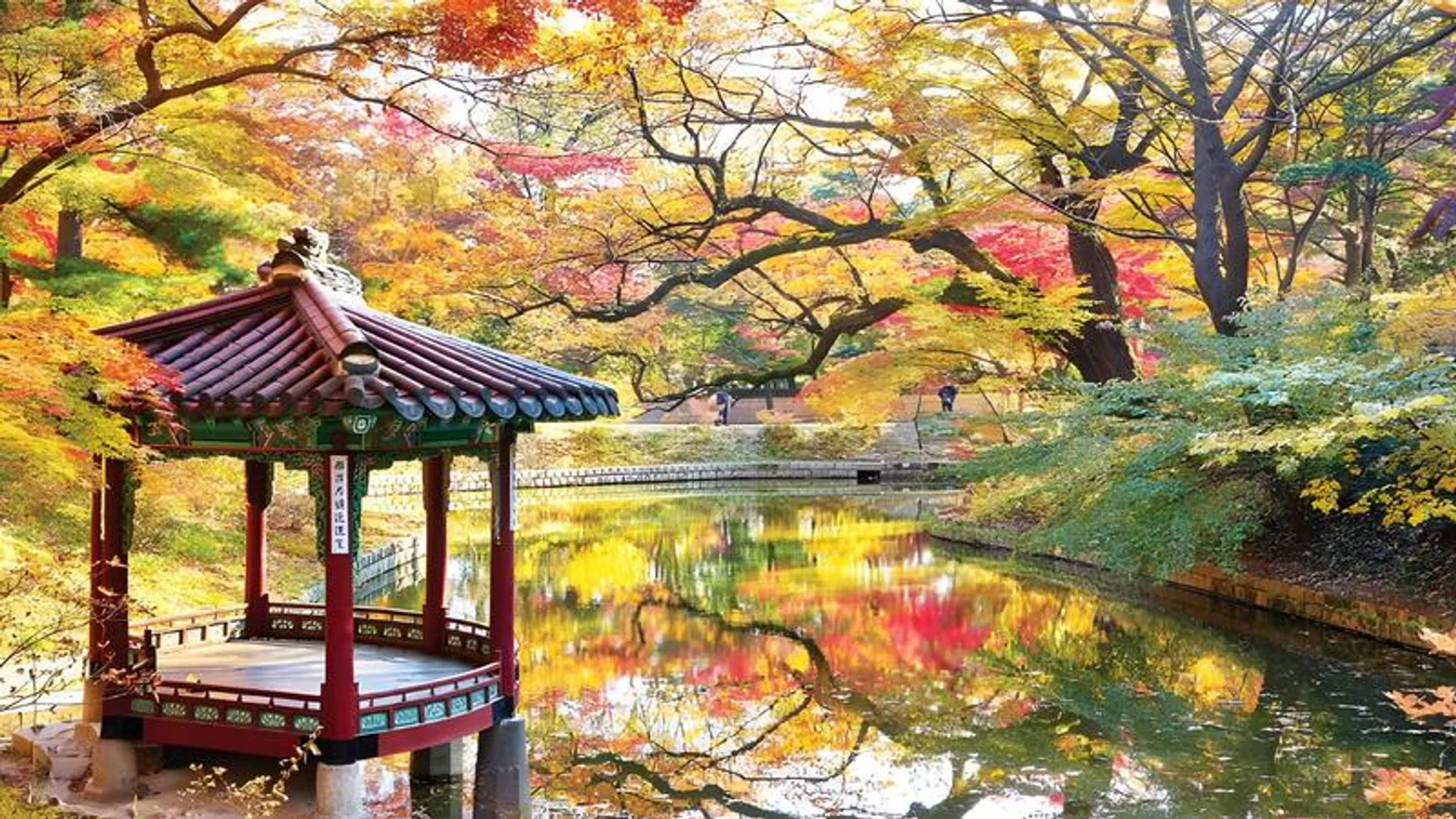
Changdeokgung Palace is admired for its graceful architecture and its harmonious relationship with the surrounding natural landscape. Its famous Secret Garden features wooded paths, tranquil ponds, traditional pavilions, and seasonal foliage that transforms beautifully throughout the year. Compared with the grandeur of other royal palaces, this destination offers a particularly peaceful atmosphere and a glimpse into the refined lifestyle of Korea’s royal court. Garden access may require a separate reservation or guided tour.
Myeongdong
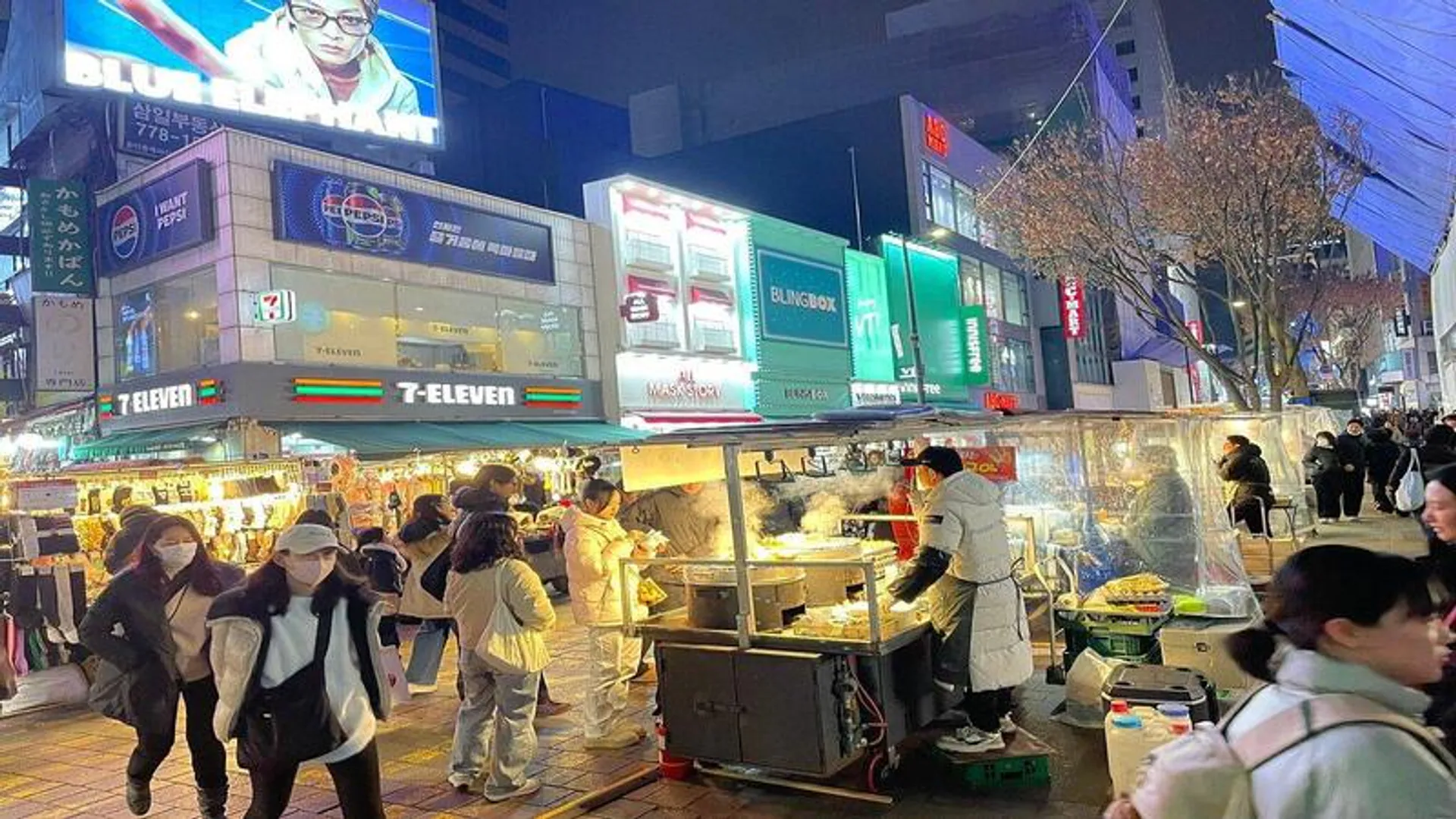
Myeongdong is a lively shopping district known for Korean beauty stores, fashion boutiques, international brands, and bustling pedestrian streets. It is also a popular place to sample Korean street food, from savory snacks to sweet treats, while experiencing the energetic rhythm of modern Seoul. With bright signs, busy storefronts, and plenty of cafés and restaurants nearby, Myeongdong is an excellent destination for shopping and an evening stroll.
Hongdae
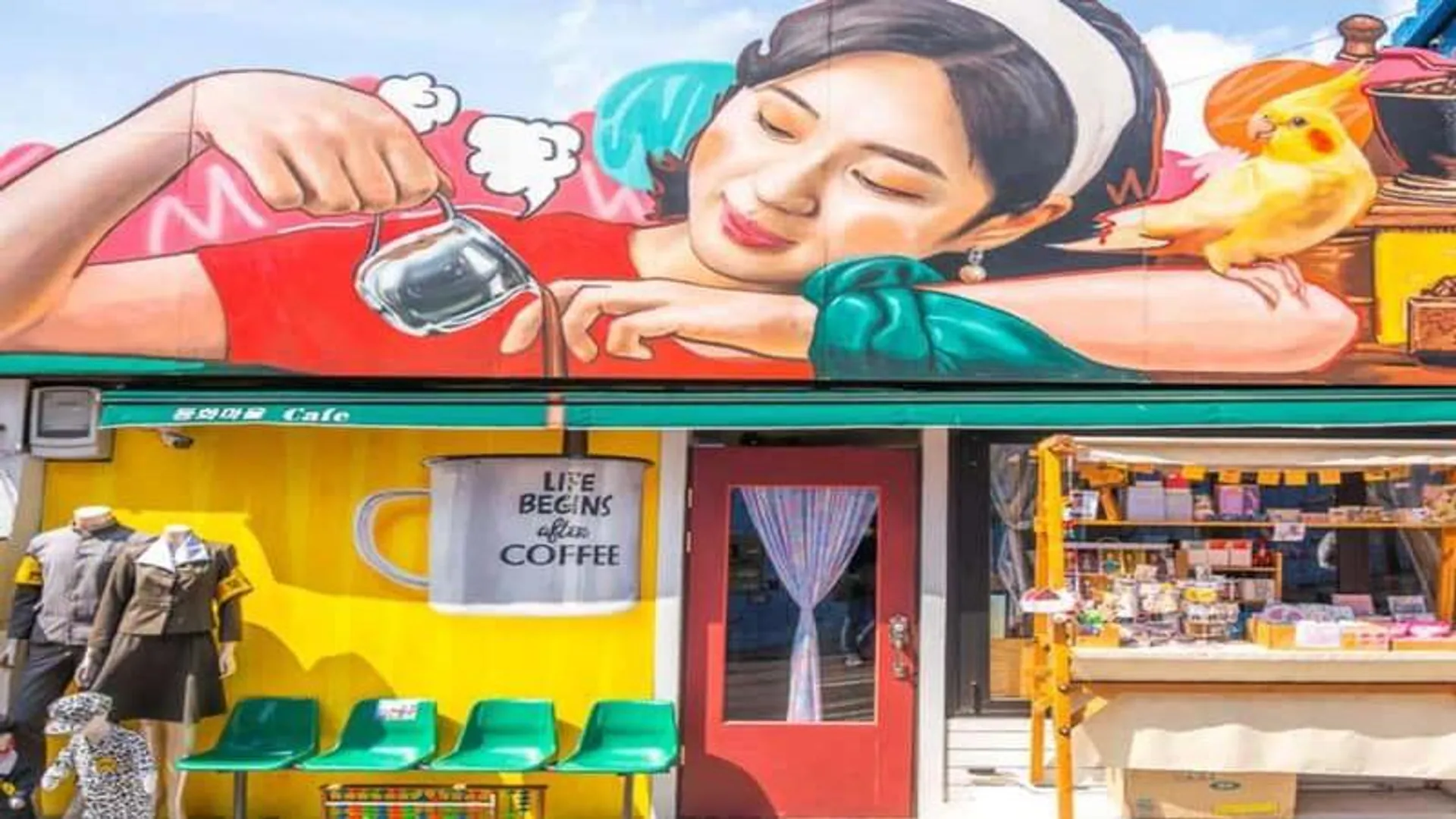
Hongdae is one of Seoul’s most energetic neighborhoods, celebrated for its independent art scene, street performances, creative fashion, themed cafés, and lively nightlife. The streets around Hongik University are filled with music, murals, small boutiques, and unique places to eat. It is an ideal destination for travelers who want to experience the city’s contemporary youth culture and discover a more playful, artistic side of South Korea.